
David Reed doesn’t work for the government. He is a private citizen in North Carolina, and over the past six months, two car dealers have cut checks to the Justice Department for $3.6 million because of him.
So what happened? He filed False Claims Act lawsuits against Jeff Wyler Automotive and Garber Management Group, two big dealer groups that he found took out PPP loans that they shouldn’t have qualified for. He looked at their PPP loans and found they had undercounted their employees and should not have qualified for the loans to begin with.
Both of his lawsuits were successful, and Wyler agreed in April to pay about $2.1 million, and Garber settled in February for about $1.5 million.
David Reed will get between 10% and 25% of those checks. His payday – probably over $500,000 for reporting fraud.
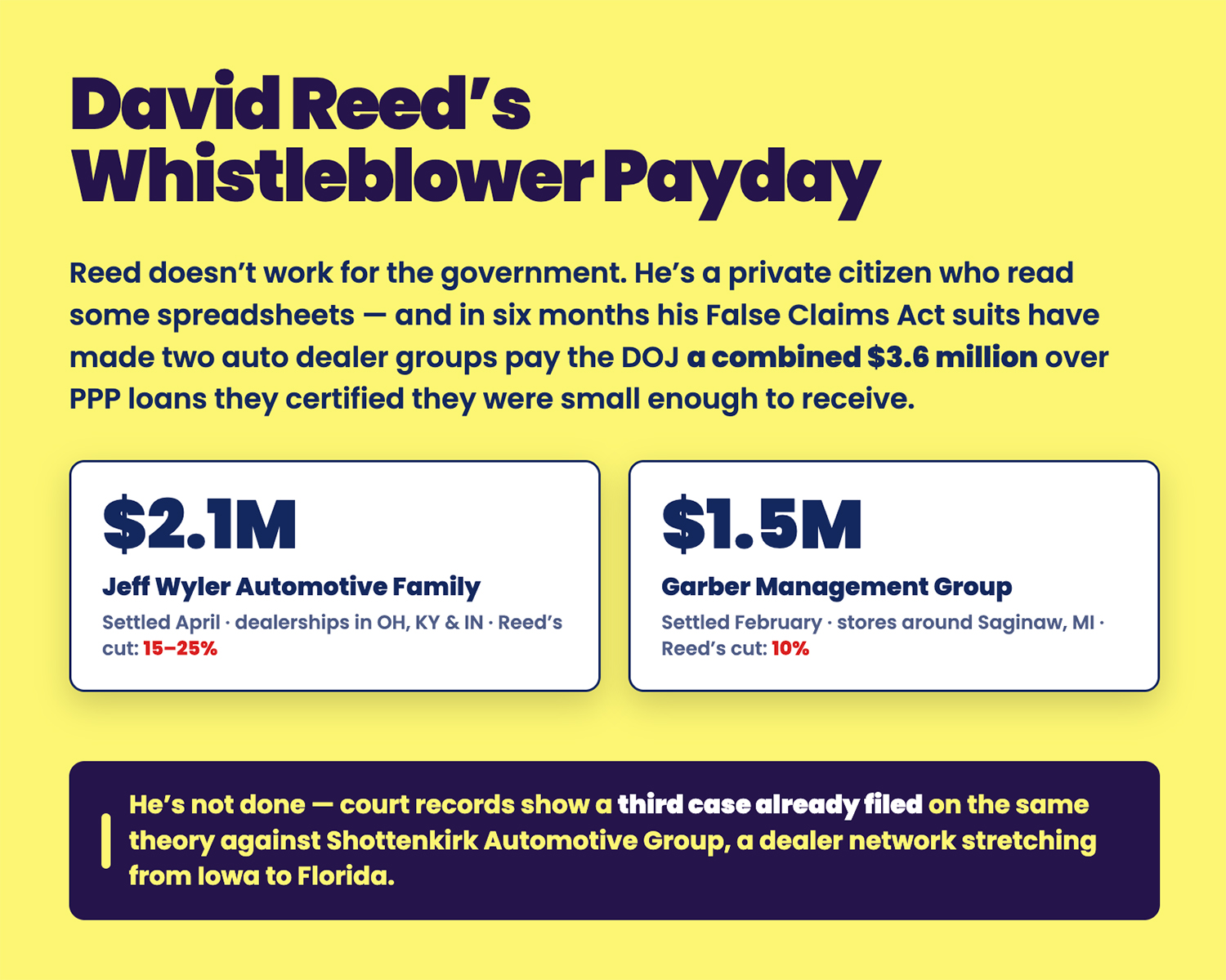
And he’s not done. Court Records show that he has already filed a third case against Shottenkirk Automotive Group for the same exact thing.
It pays to be a whistleblower these days.
A $312,000 Payday For Another Whistleblower
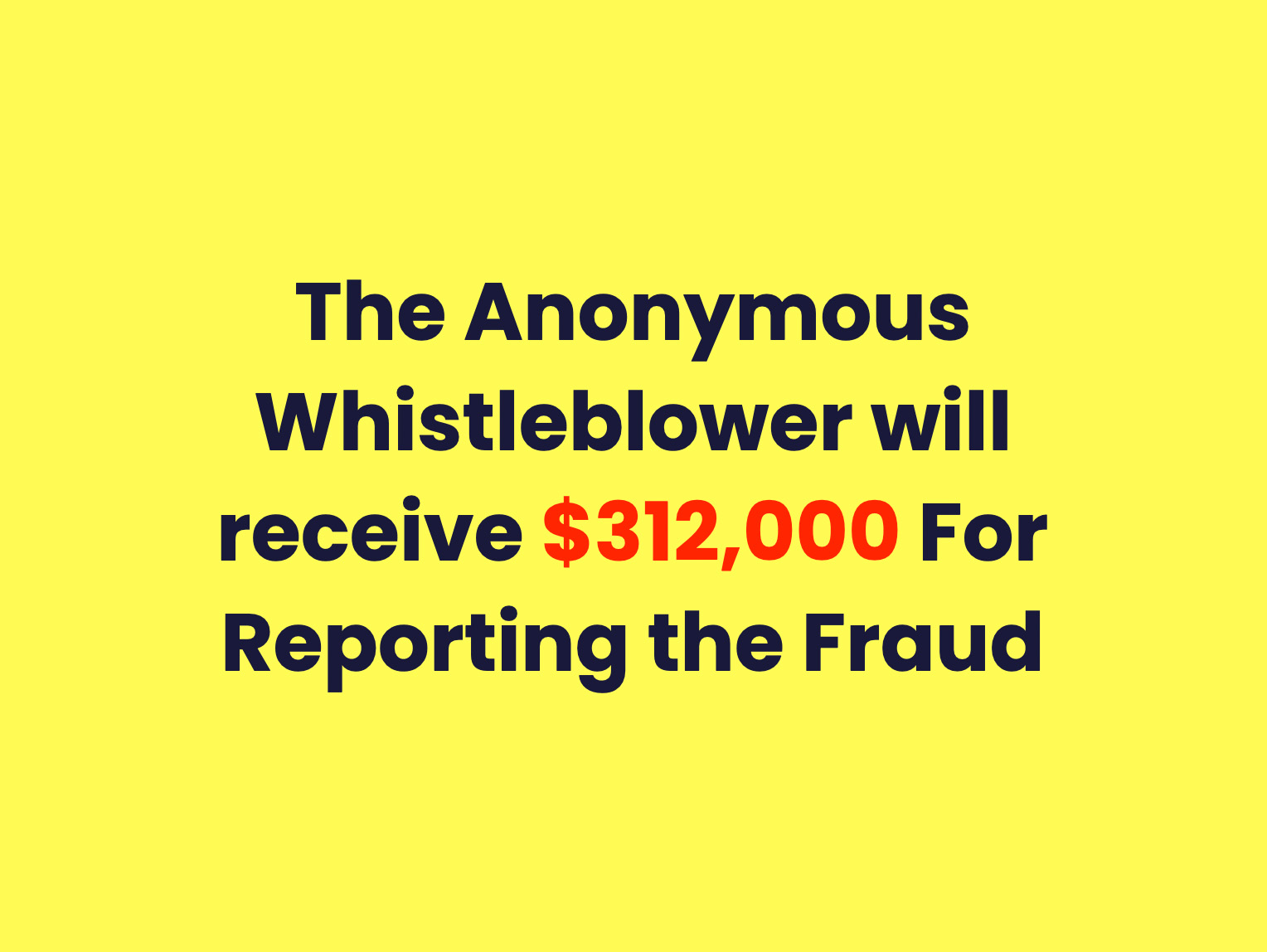
David Reed is not a one-off either; the same week the auto dealer story broke, prosecutors in Georgia announced a settlement with Universal Environmental Services for $2.6 million.
The case started when a whistleblower filed suit under the False Claims Act. That whistleblower will now walk away with $312,000 as a bonus for reporting the fraud to the government.
Qui Tam Actions Are Lucrative
David Reed and others are using the False Claims Act to report fraud.
The False Claims Act allows private individuals, known as relators, to file lawsuits on behalf of the United States when they have evidence that a company has made fraudulent claims for government funds. These cases are known as qui tam actions, derived from the Latin phrase meaning “he who sues on behalf of the king as well as for himself.”
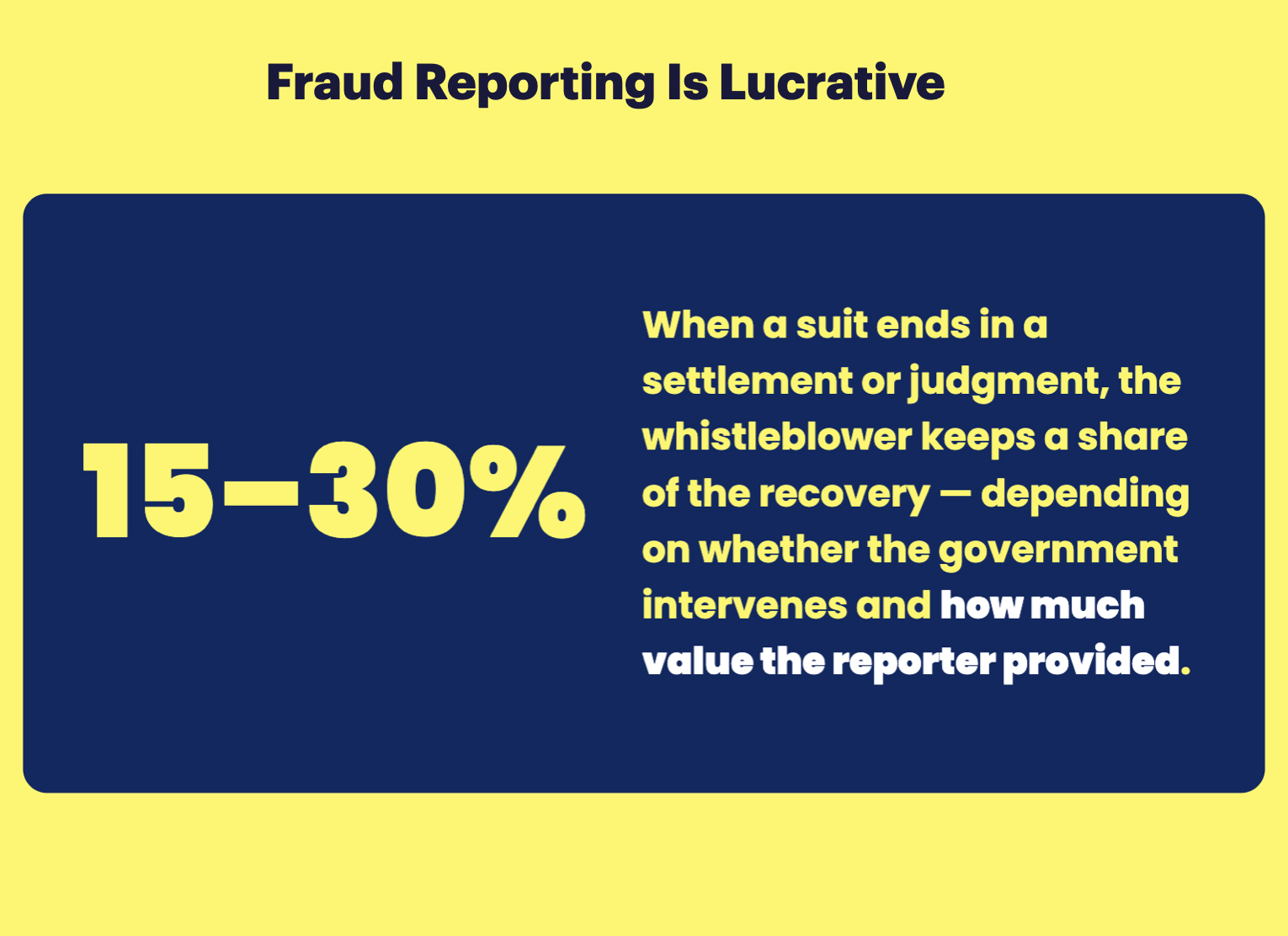
When one of these lawsuits results in a settlement or judgment, the whistleblower is entitled to a share of the recovery, typically 15% to 30%, depending on whether the government intervenes and how much value the reporter provided.
A Record Busting Year For Whistleblowers And Fraud Reporters
The best job in fraud right now is reporting it. And by all indications, as of 2025, it’s a booming business.
Let’s look at the numbers. The Justice Department recovered more than $6.8 billion under the False Claims Act in 2025, thats the highest annual total since the law was passed.
Whistleblowers filed 1,297 lawsuits as part of that and contributed to more than $5.8 billion of the $6.8 billion recovered. 78% of the money recovered came from tipsters using the False Claims Act.
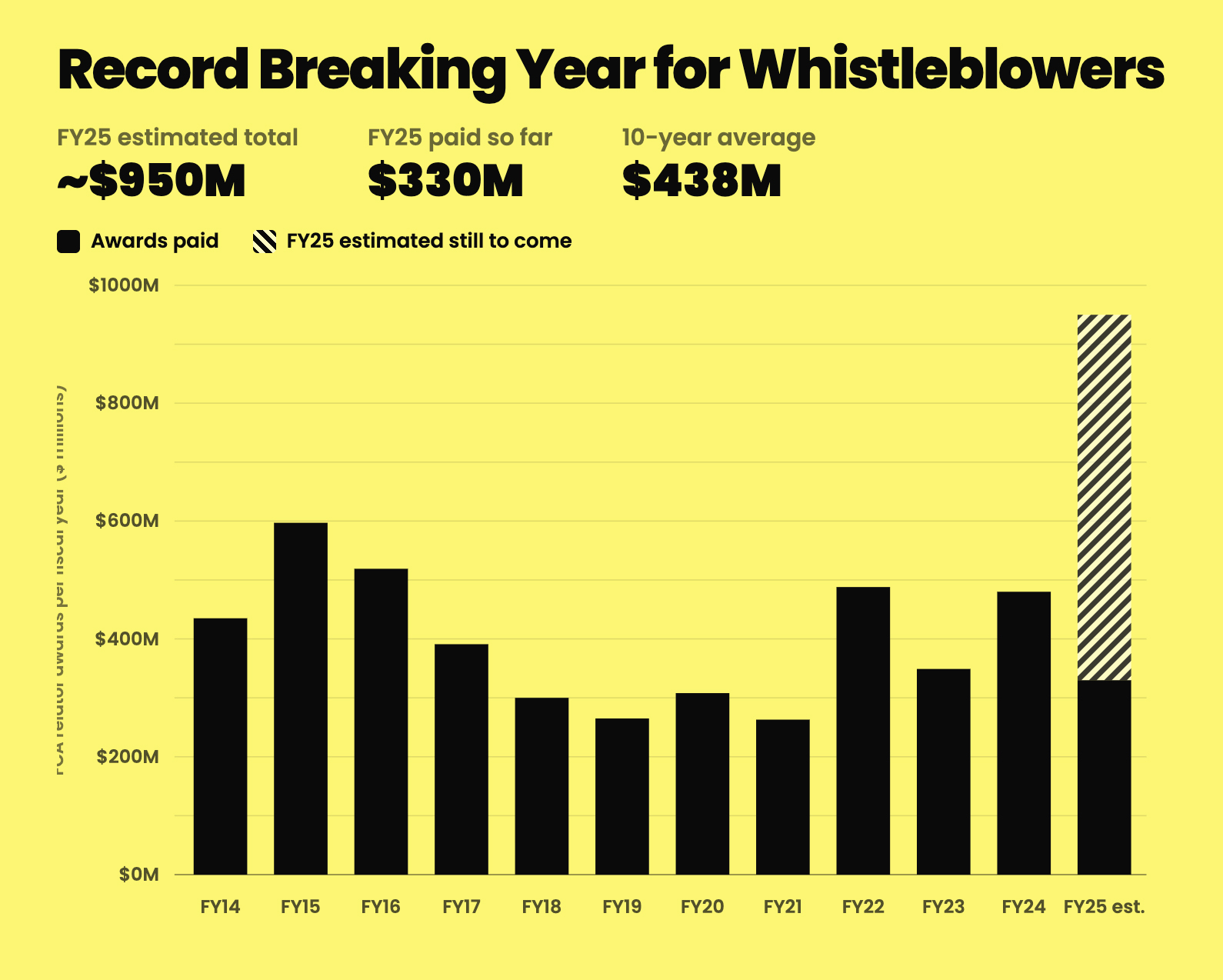
Those tipsters got paychecks totaling over $330 million, and the estimates of what will eventually be paid is close to $1 billion when all is said and done.
Companies That Go Fraud Hunting For Bounty
Whistleblowers have traditionally been insiders at companies who have a unique perspective on fraud perpetrated by their employers.
But that is no longer the case. PPP loan recipient data has been public since 2020, and the SBA’s franchise directory is public too. Cross-referencing the two lists requires no inside information, just patience and attention to detail.
Analytic companies see how profitable whistleblowing can be and that has resulted in a spike of reports.
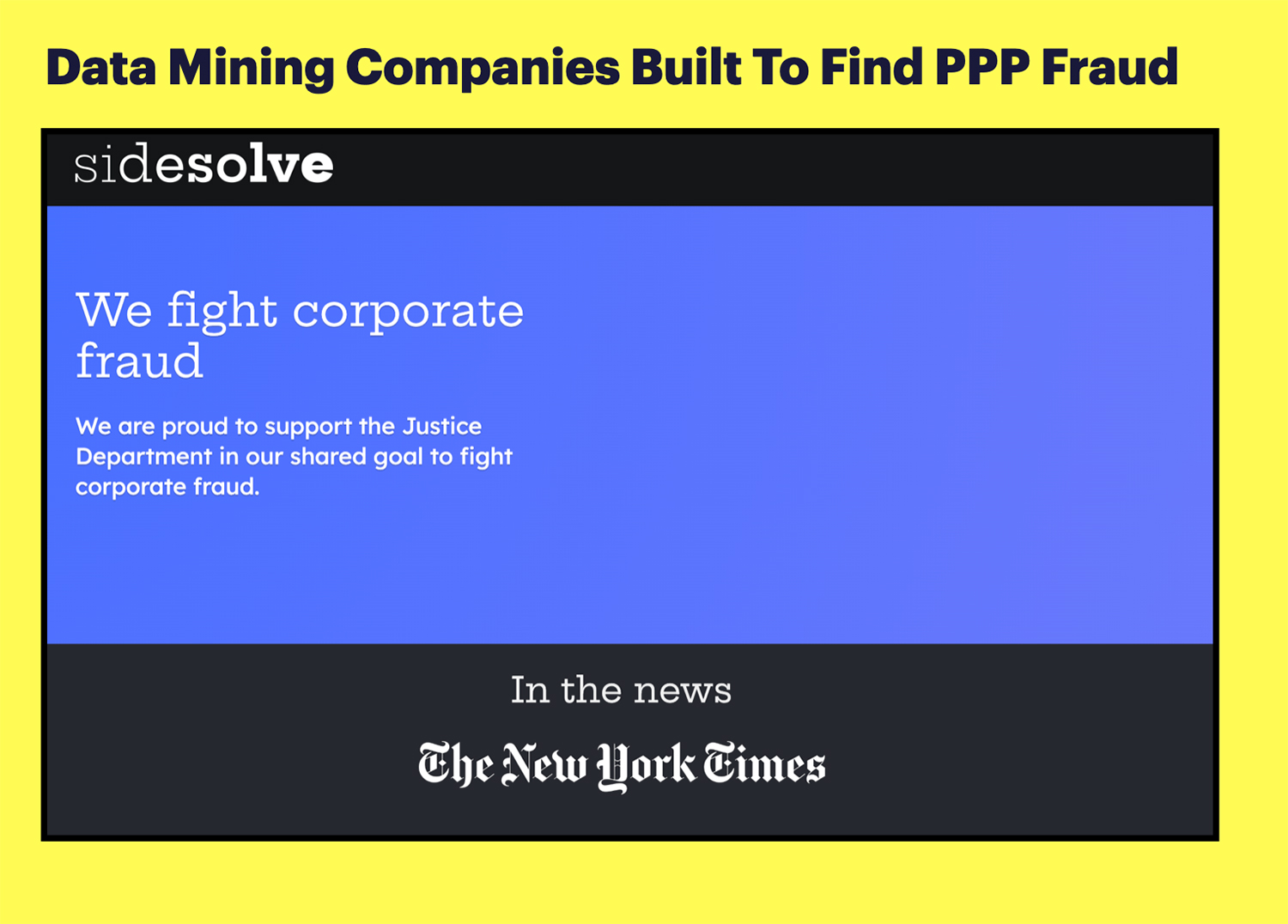
There has been a rash of PPP suits brought by data mining companies like Sidesolve, Blockquote and K3 Analytics, companies built to comb federal records for eligibility lies.
What This Means For Fraud Fighters
The government has effectively outsourced fraud detection, and the contractors are getting paid for it. The disgruntled ex-employee, the former controller, and a fraud fighter by the name of David Reed are all fighting fraud in their own ways.
It’s the Qui Tam whistleblowers that are getting paid the most though.
The Georgia whistleblower cleared $312,000 for flagging one loan, David Reed is likely somewhere past half a million across two settled cases with a third pending, and 1,297 new relators lined up last year alone.
Fraud still pays, but right now, reporting it pays even better.