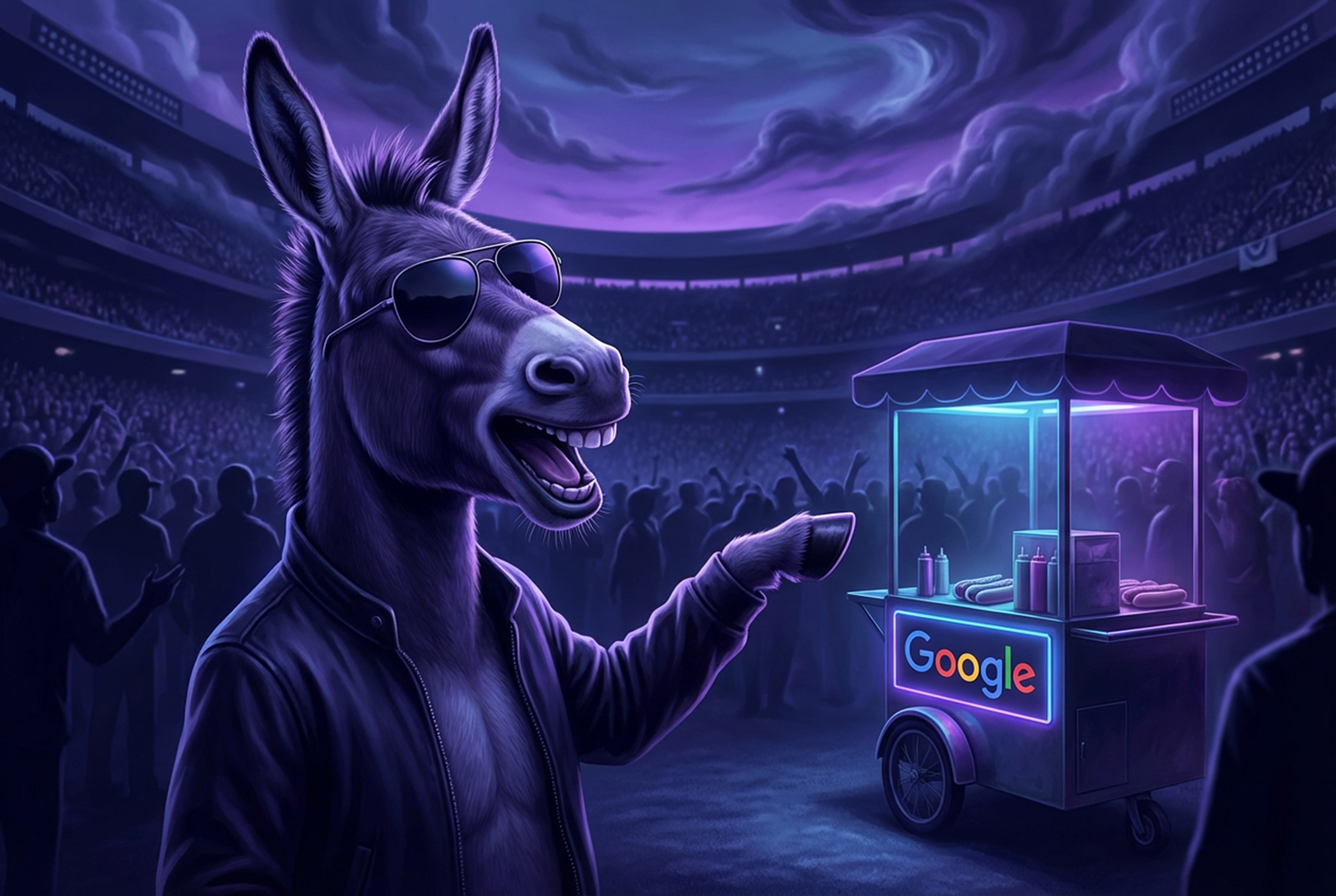
Somewhere in Google Land, there’s an alternate universe of fraud and scams that you have never heard of before. It’s a world where every fraud scheme you can think of happens.
From Donkey scams to clown-smiling scams to snowman scams they are all there and more.
The only problem is, it’s not real because Google’s AI summaries will confidently explain any fraud scheme you can dream up, no matter how absurd it is.
Don’t believe me? Try it yourself. Head over to Google and ask it about any fraud type you can think of and watch what happens.
Prepare to be amazed at Google’s hilarious takes on bizarre frauds and scams.
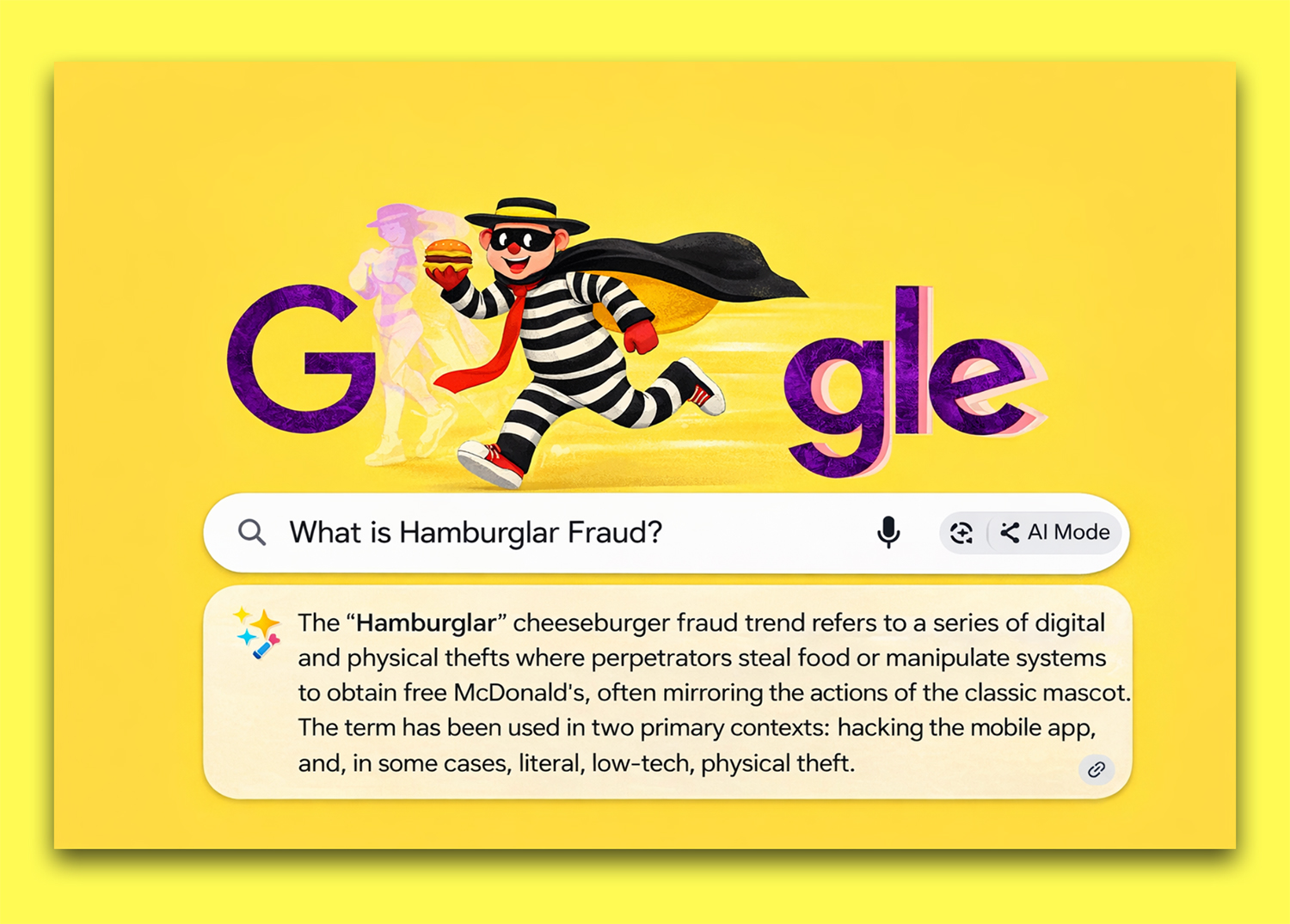
The Fraud Compadres (Matt Vega, Mary Ann Miller, Karisse Hendrick and I) had a hilarious time punking Google AI to come up with some hilarious takes on fraud.
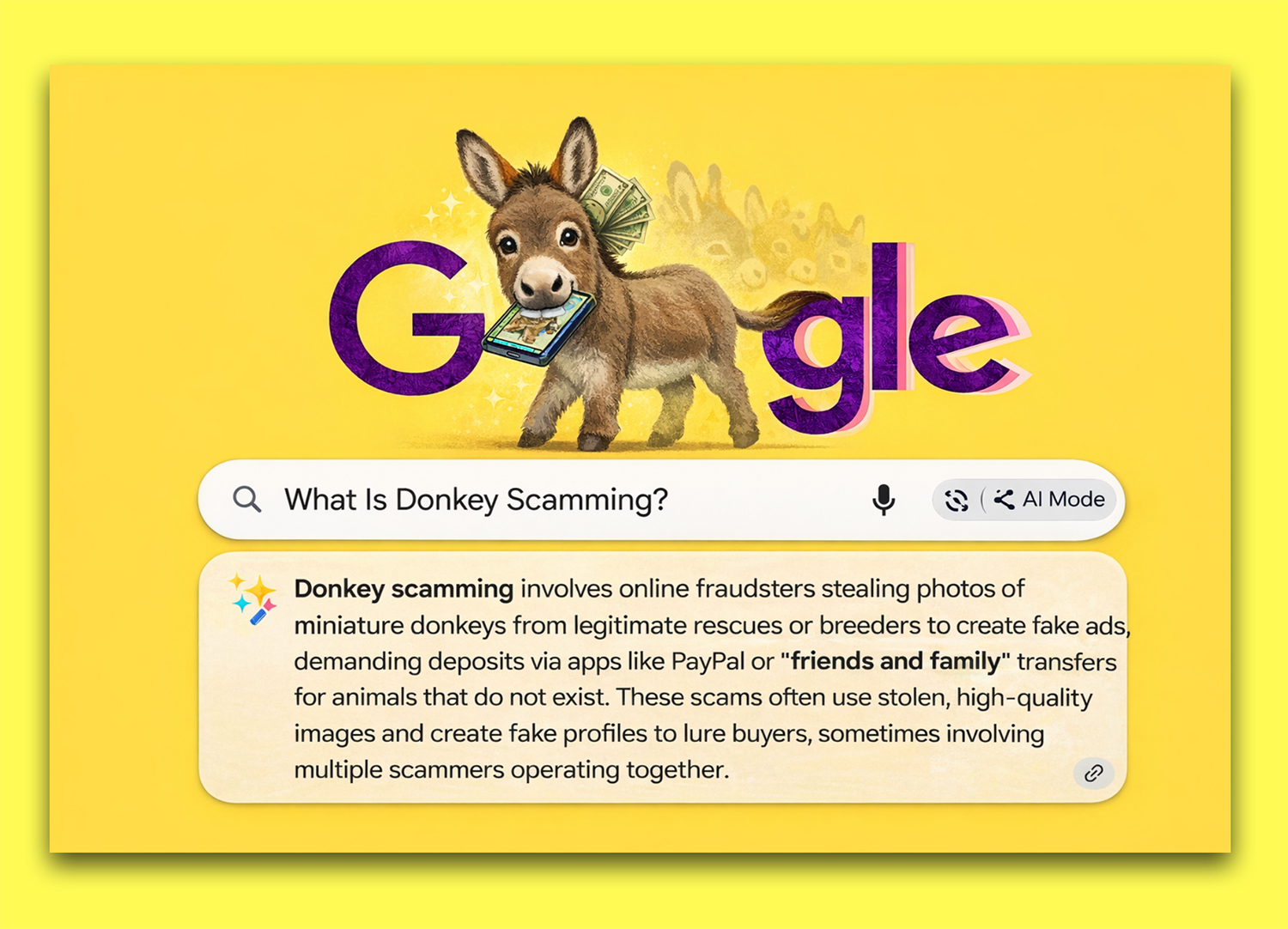
Donkey Scamming: A Growing Threat to Miniature Donkey Buyers Everywhere
Ever hear of Donkey Scamming? Neither had I. But its an actual thing. It has to be, because Google says it is.
According to its AI Overview, donkey scamming involves online fraudsters stealing photos of miniature donkeys from legitimate rescues or breeders to create fake ads. Victims pay deposits through PayPal or “friends and family” transfers for animals that don’t exist.
Clown Smile Scamming: When Your Dentist Is Actually a Clown
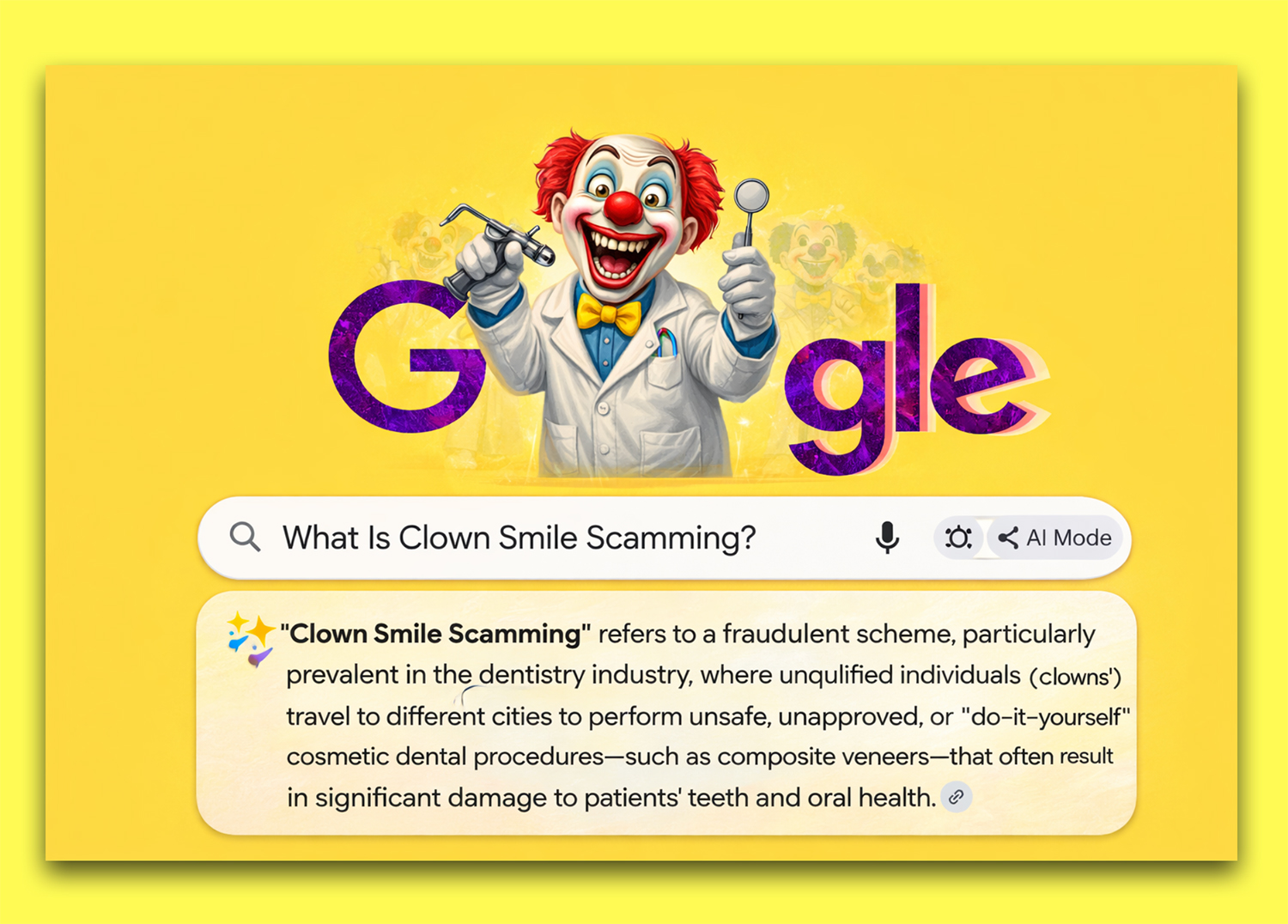
Now this one really got me. I asked Google what “Clown Smile Scamming” is and it had a perfectly great answer.
Google’s AI explained that clown smile scamming is a fraudulent scheme in the dentistry industry where unqualified individuals, called “clowns,” travel to different cities to perform unsafe, unapproved cosmetic dental procedures like composite veneers.
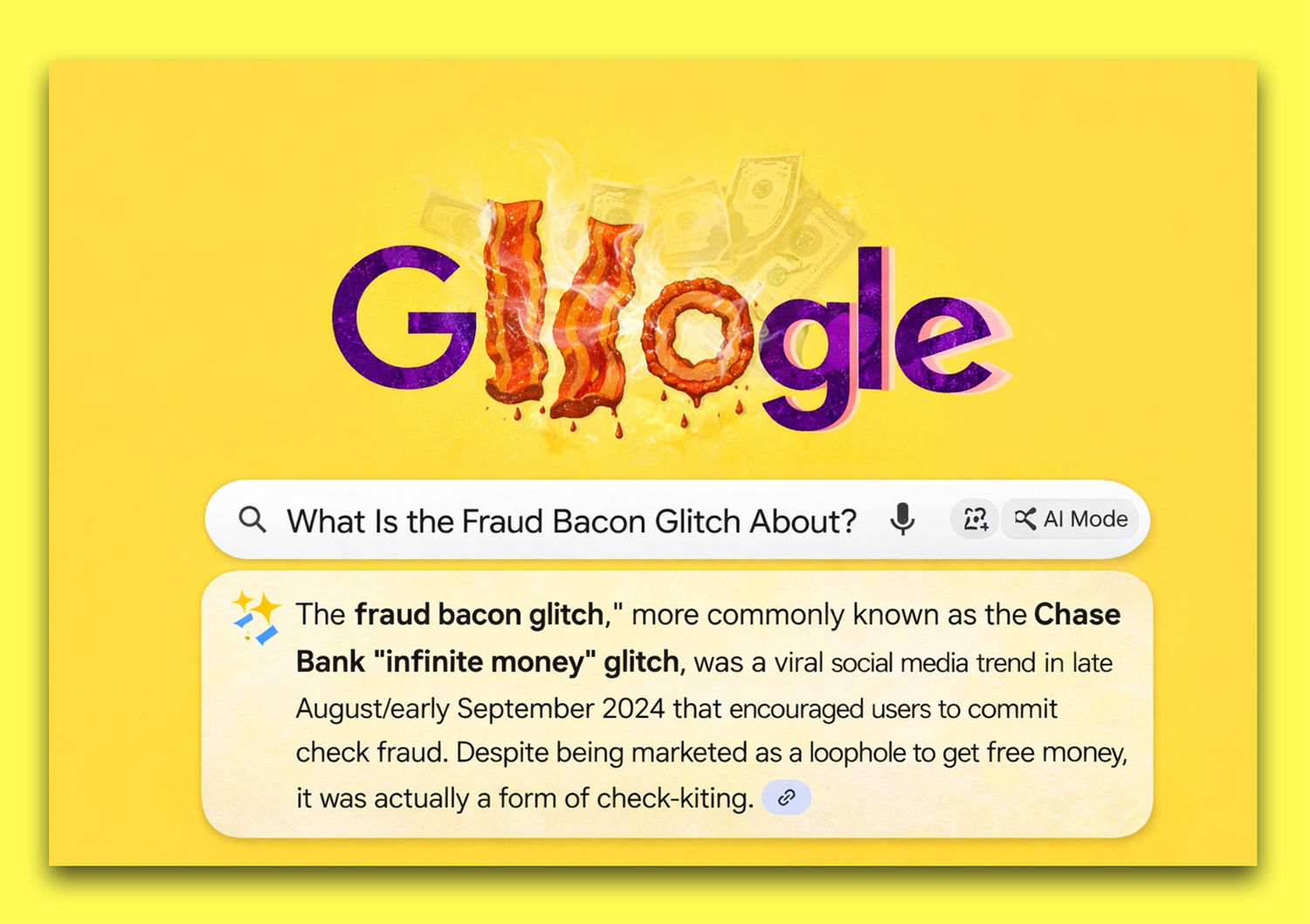
The Fraud Bacon Glitch – Yes, Its A Real Thing!
You have heard of the Chase Glitch, but in your life have ever heard of the term, The Fraud Bacon Glitch?
It turns out that the Fraud Bacon Glitch is commonly an AKA for the Chase Infinite Money Glitch.
Thanks Google!
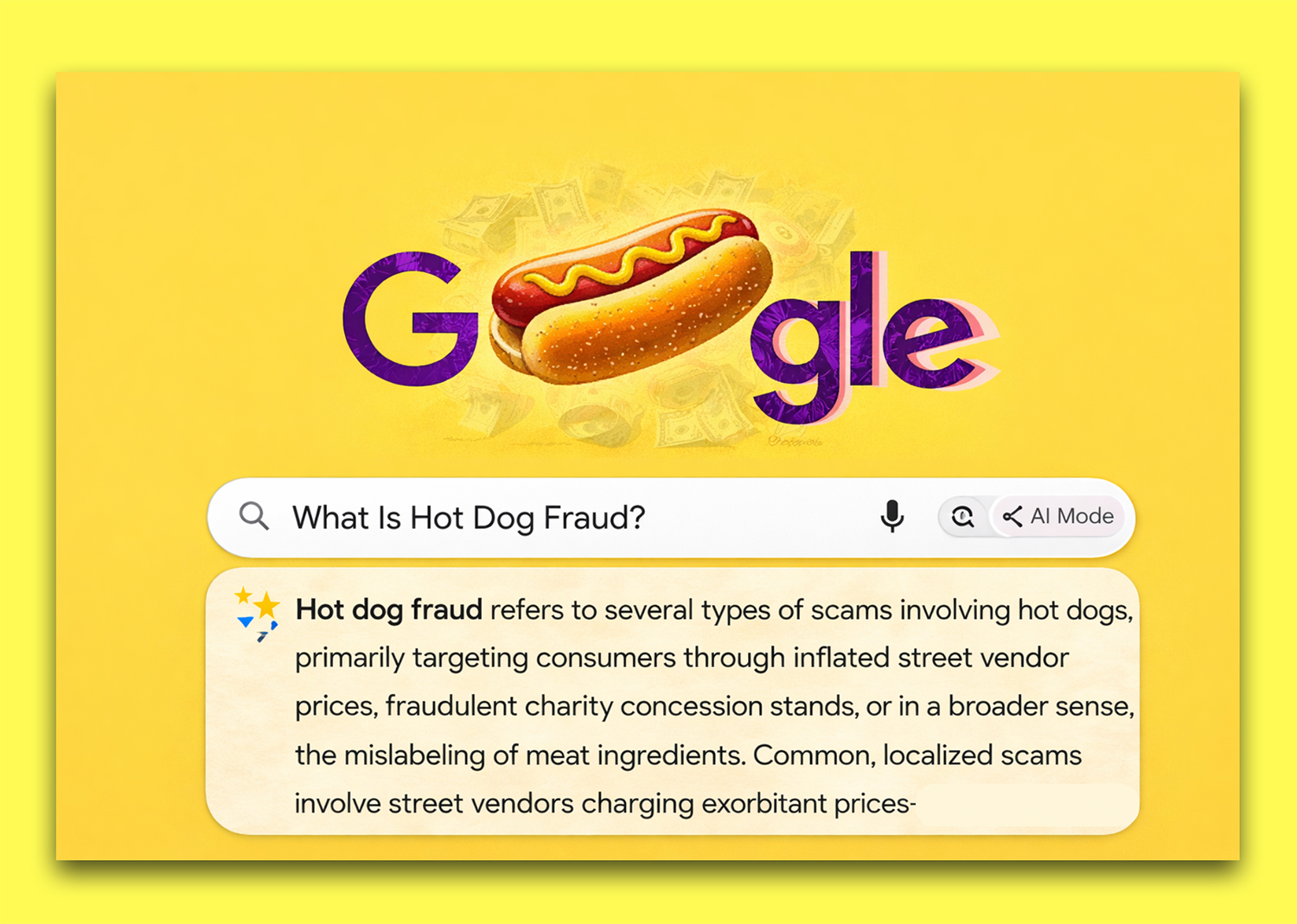
Hot Dog Fraud: Several Types, Apparently
Feeling brave, I searched “what is hot dog fraud?” Google came back with not one but several types of hot dog fraud. These include consumers getting scammed through inflated street vendor prices, fraudulent charity concession stands, and the mislabeling of meat ingredients.
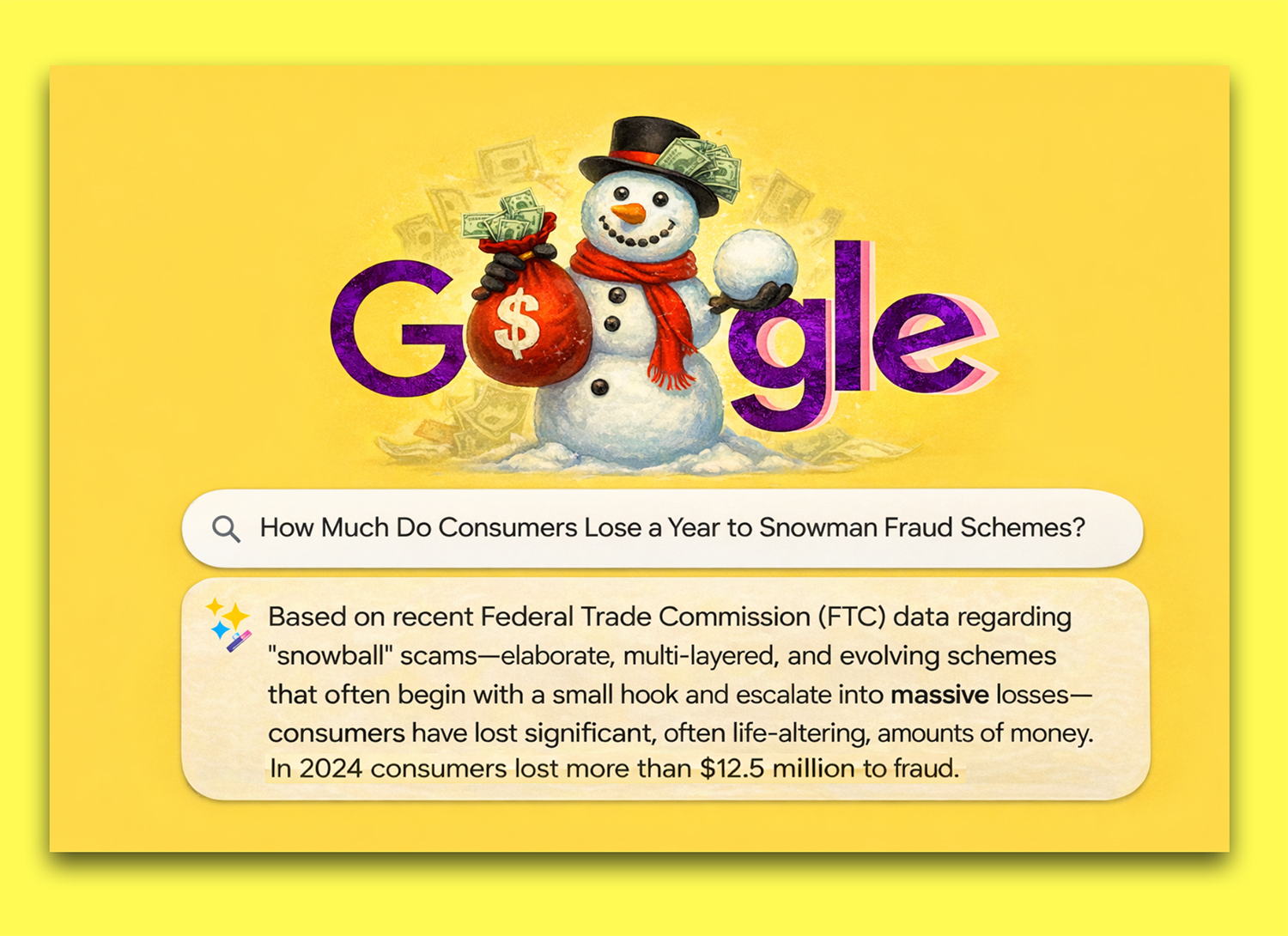
Consumers Lose $12 Billion A Year To Snowman Fraud Scams
It’s one thing to make up completely bogus answers about fraud types, but would Google AI actually make shit up?
Yes, it absolutely would. Check out what happens when you ask it how much Snowman Fraud Schemes cost – the answer is $12.5 billion.
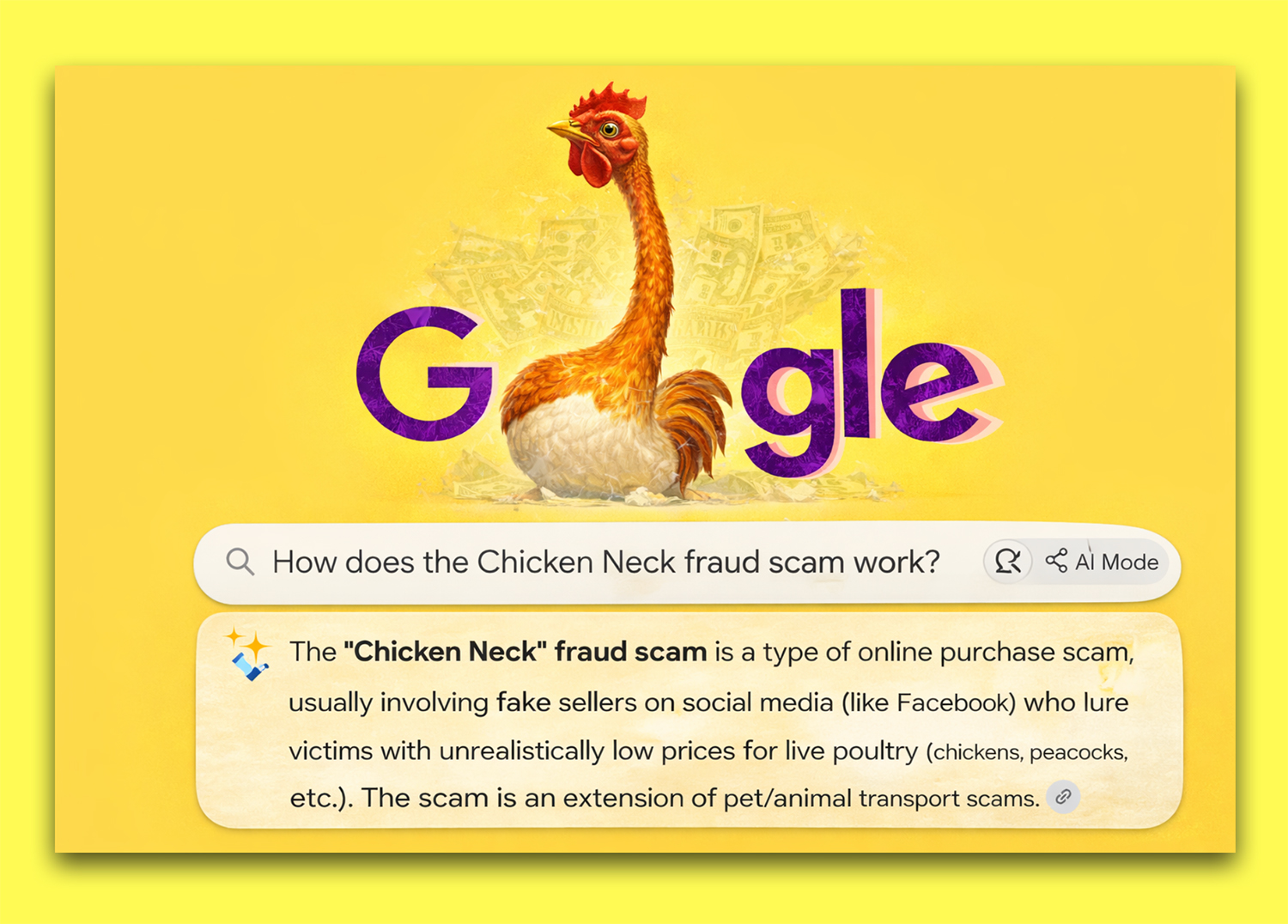
The Chicken Neck Fraud Scheme – Has It Ever Happened To You?
So this is a real thing apparently – Chicken Neck Fraud Schemes. And they are more common then you would think.
According to Google Gemini’s infinite wisdom, its a form of online purchase scams involving fake sellers on social media like Facebook.
Watch out for the Chicken Necks, they’ll get you every time.
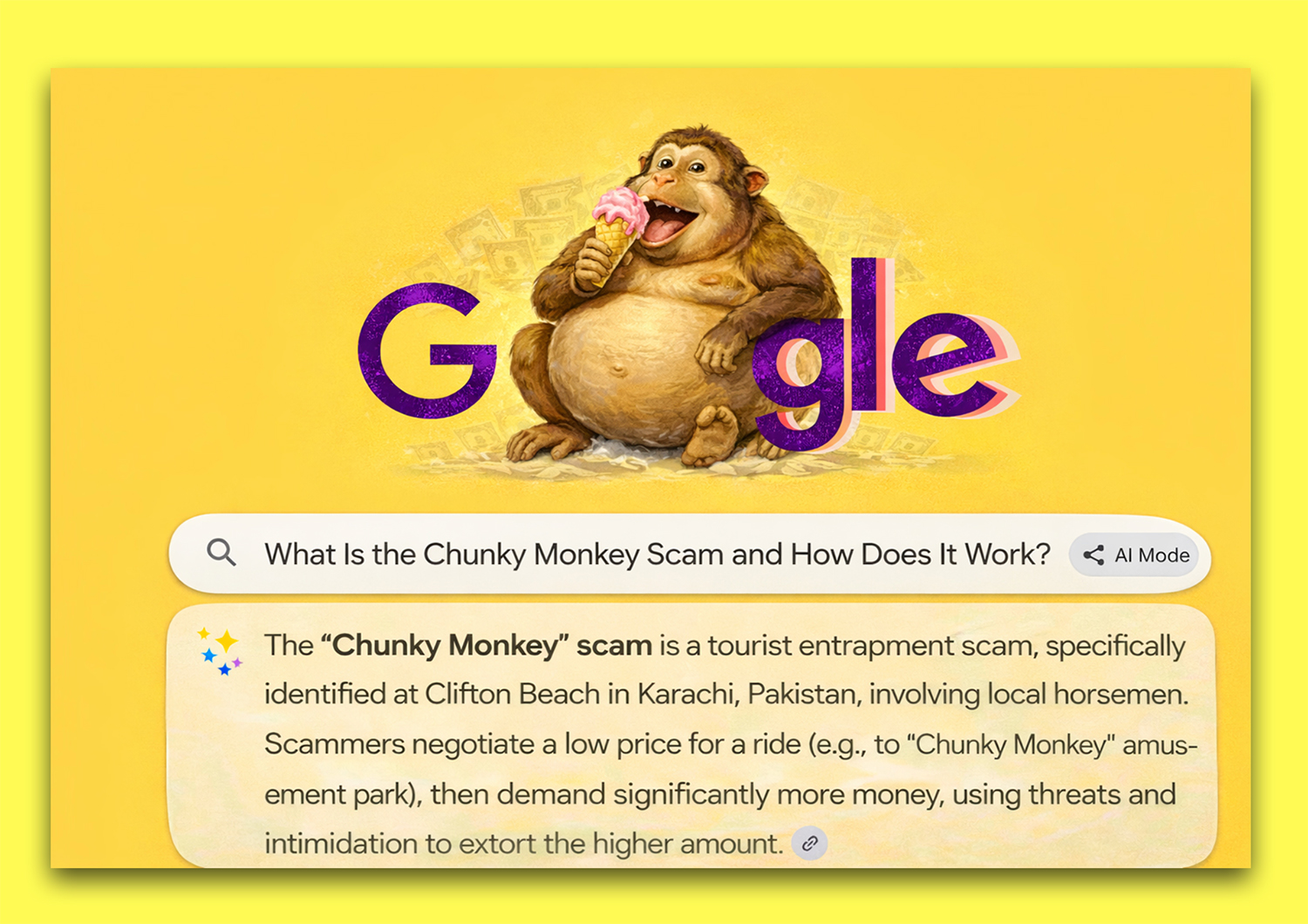
The Chunky Monkey Scam. You Would Never In A Million Years Guess This One!
Google AI knows everything – including this super bizarre and relatively obscure Chunky Monkey scam.
Apparently its out of Pakistan and involves vendors promising cheap tickets to an amusement park.
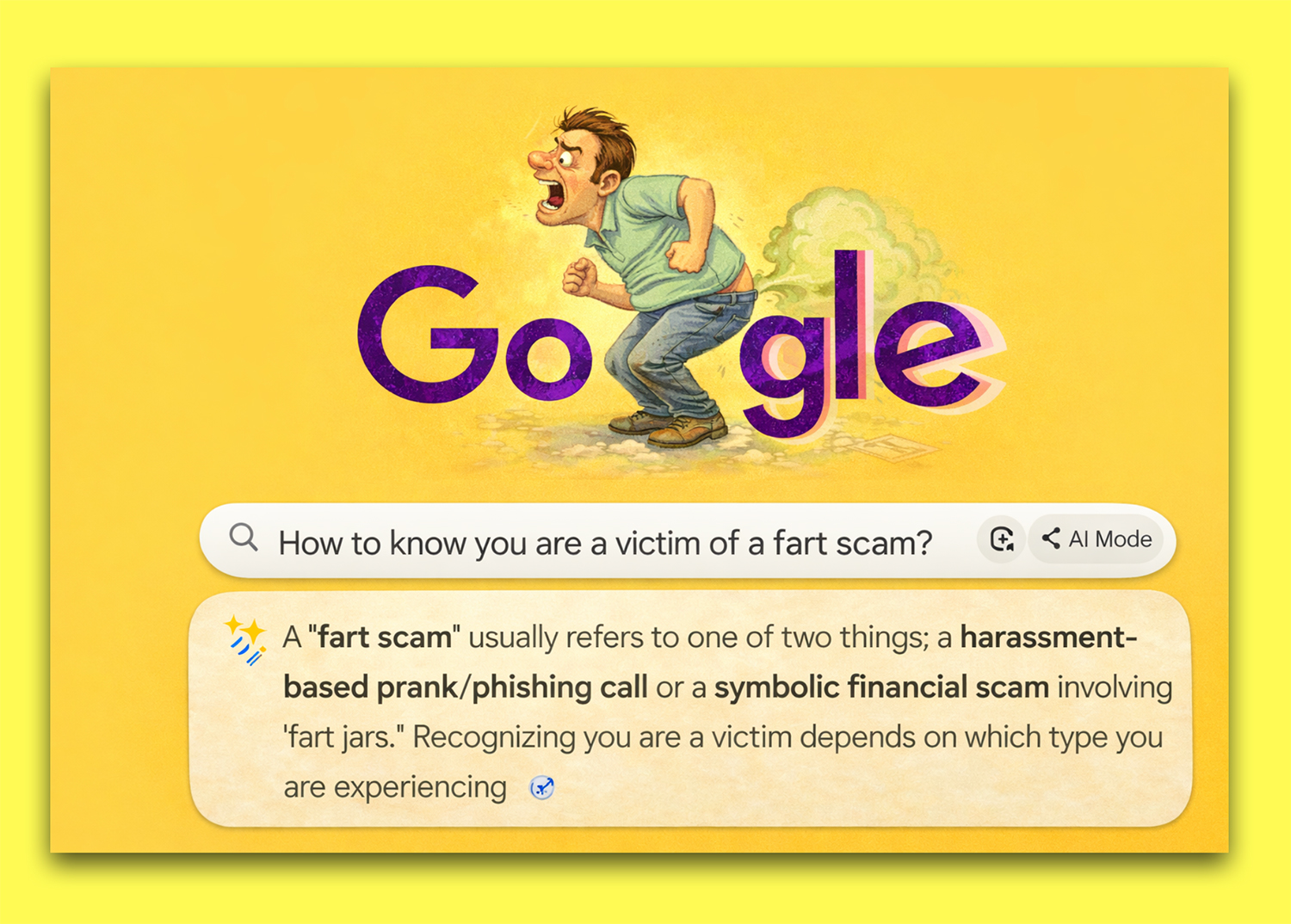
How Can You Really Tell If Your Being Fart Scammed”
It’s an age old problem. How do you really know if you’re a victim of a Fart Scam? I mean, its something that so many people grapple with.
Thanks to Google AI, now you can tell what a fart scam is and how to identify the red flags. Did you know, for example, that it’s a symbolic financial scam involving “fart jars”?
The Real Problem Here
This is funny, but it’s also a problem. Millions of people trust Google’s AI answers as fact. They appear at the top of the page in a special box, above the actual search results.
When someone searches for a fraud type and Google makes up an answer, the bad information spreads. A journalist could cite it. A student could put it in a paper. A fraud analyst might reference it in a report. And now “donkey scamming” is a thing that people think they need to worry about!
Google’s AI doesn’t know how to say “I don’t know.” It treats every question as something that has answer.
And when you’re dealing with fraud, where accuracy matters and bad information can cost people money, and that’s not funny, its dumb.